Moisture and Flood Prevention
What to Record When Your Basement Feels Damp
Turn scattered observations into a clear starting point for a moisture assessment and a better sequence for the renovation.
What should you record before a damp-basement assessment?
Record where moisture appears, when it happens, the weather or household activity around that time, and what has already been repaired. Keep observations separate from guesses about the cause. A short, consistent history can help an assessor focus the investigation before a renovation hides the affected surfaces.
A damp smell, a mark on a wall and visible water are different observations. This guide helps you describe them accurately. It does not diagnose mould, a foundation defect, a plumbing leak or a drainage failure. If there is active flooding, sewage or water near electrical equipment, keep out of the affected area and seek appropriate urgent assistance instead of gathering photographs.
Give every observation a location
Use plain descriptions that another person can find: “below the rear window,” “beside the laundry drain,” or “at the base of the wall behind the sofa.” If several rooms are affected, mark them on a simple sketch. The aim is to connect the symptom to a place without inventing a technical explanation.
Take a wider photograph showing context and, where safe, a closer view. Add a date and room name to the file. Avoid rearranging or disturbing suspect material just to improve the photograph. An assessor may need to see the original condition and decide what investigation is appropriate.
Record timing before describing a cause
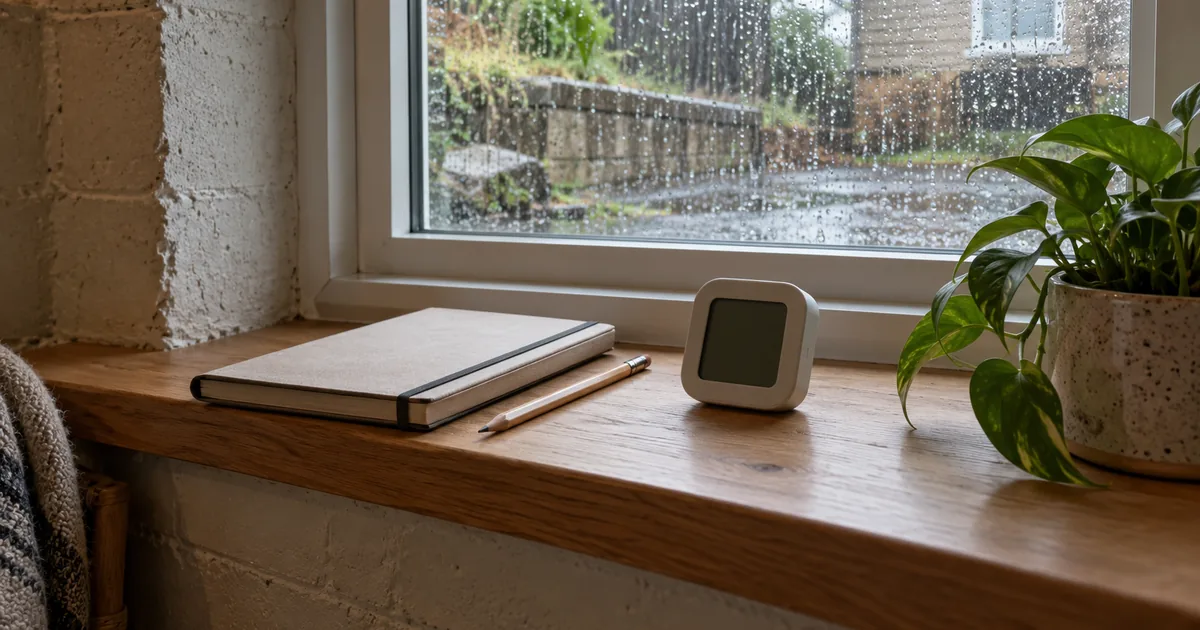
Note when you first noticed the issue and whether it has happened again. Was it during heavy rain, after snowmelt, following laundry use or during a humid period? Record what you know; leave the weather field blank if you do not remember.
A pattern can guide questions without proving causation. Moisture near a foundation wall is not automatically groundwater, and a wet area beside a bathroom does not automatically come from a fixture. Resist renaming the observation after the first suggested explanation.
| Date and place | What was observed | Conditions at the time | Record or follow-up |
|---|---|---|---|
| Example: rear window, day after rain | Small damp patch below trim | Rain overnight; room otherwise unused | Wide and close photographs; assessor question |
| Your observation | Describe appearance, smell or visible water | Weather, room use or appliance use if known | Photo reference and action taken |
Use the same descriptions each time. If the mark grows or moves, note that change rather than replacing the earlier entry. Several consistent observations are more useful than a long account written from memory when the contractor arrives.
Add safe exterior observations
From accessible ground-level areas, note the relationship between the affected room and windows, entrances, downspouts or nearby paving. Record visible standing water or a history of overflowing eavestroughs. Do not enter an unstable well, climb onto a roof or excavate to inspect a hidden connection.
The City’s stormwater and home guidance explains the relevance of roof-water management, window wells and drainage routes. Use it to prepare questions about your property, not as proof that one visible feature caused the indoor symptom.
If the renovation includes a new basement entrance or window work, make sure the design provider sees the moisture history. Exterior changes should be discussed with the existing water conditions in view.
Describe repairs and what happened afterward
Collect invoices, reports and photographs from earlier repairs. Note the area treated, the date and what the provider said the work was intended to address. If the symptom returned, record when and whether it looked the same. Avoid describing a repair as successful or failed solely because the surface looks different.
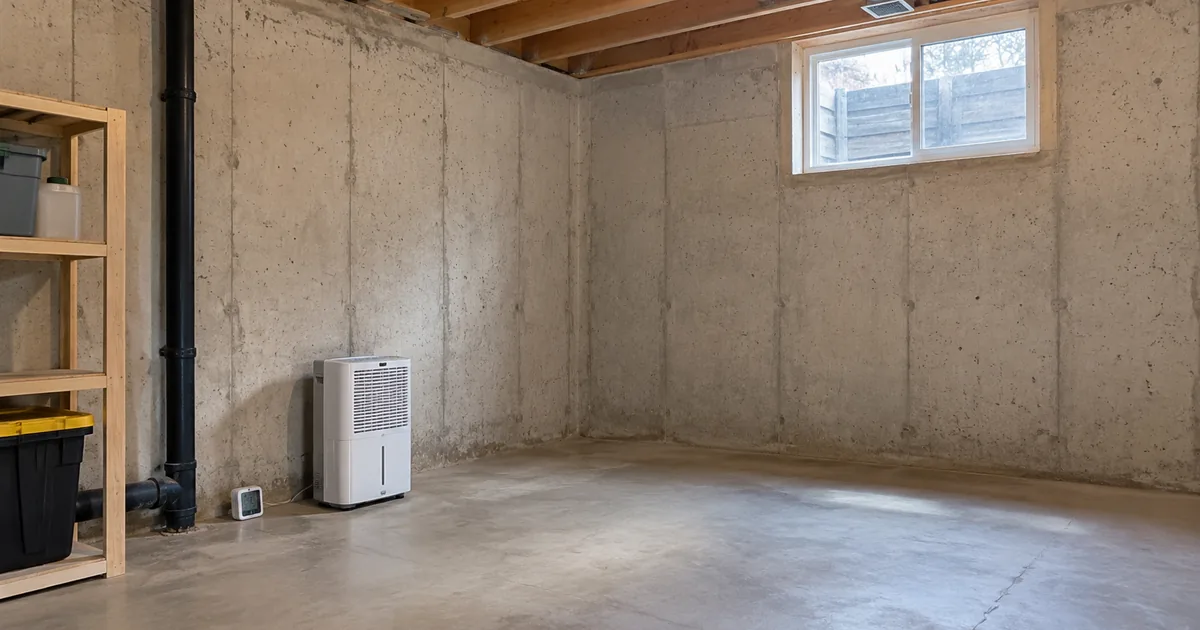
Record any equipment now used to manage conditions, such as a dehumidifier, without treating its presence as a diagnosis. If you have humidity readings, include where and when they were taken and which instrument was used. A single reading in one room does not explain the whole basement.
Prepare questions for the assessment
- Which possible sources fit the observations, and what evidence would distinguish them?
- What can be assessed visually, and what requires testing or an investigation opening?
- Which proposed measure addresses which identified source?
- What condition should be met before walls or flooring are installed?
- What records and maintenance instructions will follow the work?
- Who should be contacted if the symptom recurs?
These questions encourage a defined assessment rather than a quote built around a single presumed solution. The broader moisture and flood-prevention guide explains how to connect the findings to a corrective scope and the finishing sequence.
Keep the renovation brief separate from the diagnosis
Tell the provider what you want to build—family space, a bathroom, a home office or a separate suite—but do not let the preferred finish determine the assumed repair. A product marketed as water-resistant may be appropriate for some uses while leaving the original water source untouched.
Ask the finishing provider what substrate condition and installation requirements apply to the products under consideration. Coordinate that answer with the assessment findings. Our basement finishing guide places the existing-condition review before final material selection.
Check program eligibility only after the relevant work is understood
Mississauga has separate flood-related programs. A funding category should not become a substitute for identifying the system and measure needed at the property. Ask which current program, if any, applies and what approval must occur before work begins.
Use the live flooding-prevention rebate instructions and flood-resilience program page. Keep the application outcome separate from the contractor’s technical scope and your available budget.
Damp-basement questions
Should I wait for the next storm before contacting someone?
No. Begin with the history you have. Ask the assessor what further observation, if any, would be useful; do not delay urgent help for an active hazard.
Can I send photographs instead of arranging a site assessment?
Photographs help communicate the location and appearance. They cannot establish concealed conditions or confirm the final repair scope.
What if I only notice a smell?
Record where and when it occurs and any related changes. Avoid assuming the cause or disturbing materials to investigate it yourself.
Describe the moisture concern and planned renovation. A concise observation log helps the next conversation begin with evidence rather than a guess.
Sources and review
City of Mississauga: stormwater and your home and the linked flood programs. Reviewed September 17, 2026. The observation log is an original planning aid, not a diagnostic procedure.